

 ☰
☰
HousingIdaho.com Housing News
2018-03-30
- IHFA Media Relations
IHFA and the Home Partnership Foundation announce a total of $724,305 raised for 45 Idaho nonprofits during the seventh annual Avenues for Hope Housing Challenge ending December 31, 2017. The annual event lets businesses and individuals support nonprofits that provide housing and critical services for Idaho's homeless population.
2018-03-10
- Chris Salviati
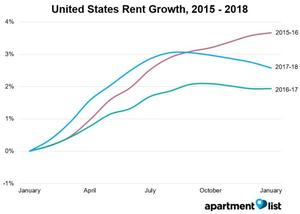
Despite seasonal slowdowns in some markets, Idaho experienced the fastest year-over-year, state-level growth in the nation at 4.9 percent, followed by Nevada, Utah and California all of which saw rent growth of more than four percent.
2018-01-25
Idaho's statewide homelessness response system now features a standardized approach and coordinated provider network. This helps those experiencing a housing crisis gain access to supportive programs and services.
2017-12-27
- Meredith J. Cooper
Western communities look to mix of 'detached bedrooms,' Tiny Homes and innovative community approaches to address homelessness, lack of affordability.
2017-12-27
- SquareOneNews
Emerald Village Eugene (EVE) is the latest community developed by SquareOne Villages, a non-profit organization dedicated to advancing the development of tiny home villages for people in need of housing.
2017-12-27
- Richard Burns
The number of U.S. renter households is rising steadily, and more than a quarter of those live on less than $15,000/year. The current Tax Bill means 300,000 fewer affordable units built using the Low-Income Housing Tax Credit over the next 10 years.

2017-12-27
- Don Kahle
Eugene, Oregon is home to many innovative housing and service programs, from organized 'safe spots' with secure personal shelters to the new Emerald Village Eugene. This editorial urges tolerance and a welcoming attitude for those priced out of traditional housing markets.
2017-11-29
- Ray Pearl
The “private activity bonds” eliminated in the GOP proposal underpin incredibly successful public-private partnerships that make it possible for single mothers, seniors on limited incomes and veterans to have safe, affordable homes.
2017-11-29
- Sarah Anne Lloyd
Seattle mayor signs order to 'Get low-income households assistance with rent and utilities more quickly.'
2017-11-29
- National Low-Income Housing Coalition
How Much do you Need to Earn to Afford a Modest Apartment in Your State?
2017-09-28
With housing prices and rents outpacing wages, low- to moderate-income households are competing for a shrinking supply of rentals in the Magic Valley and elsewhere.
2017-09-28
Like any other market, price reflects supply and demand; in the case of housing, many regions in Idaho are seeing increasing demand for housing prices within reach of the average working family and those on limited incomes.
2017-09-28
The shortage of housing and assistance that meet the diverse needs and incomes of community residents has ripple effects throughout our communities and economy.
| Home | |
Search Rentals | |
List Rentals | |
Disclaimer | |
Privacy | |
Terms | |
About Us | |
Contact Us |
Preferences saved